






Peak season is when the everyday gets stress-tested.
Increased orders. Tighter delivery windows. Busier roads. Higher customer expectations. More pressure on drivers, vehicles, planners and transport teams.
For many transport and logistics operators, peak season is the busiest and most challenging time of the year. When demand increases, operational gaps can quickly lead to bigger problems…
But it’s not all doom and gloom as commercially, peak season is reflected handsomely in the balance book.
So, for many operators, peak season is very much about making hay whilst the sun shines. The more orders and deliveries, the healthier those figures look. But with big peak season targets to hit, it’s about managing demand, meeting expectations and of course, not letting your customers down.
Therefore, the operators who manage peak well are not just reacting as they go; they are preparing their drivers, vehicles and utilisation in advance, so they can keep moving, and say yes, with confidence, when the busy times arrive.
What is peak season logistics?
Peak season logistics refers to the busiest periods in transport and logistics, when order volumes and delivery demand rise.

In the UK, this often includes the run-up to Black Friday, Cyber Monday and Christmas, as well as other seasonal peaks linked to retail, food and drink, events, agriculture, back-to-school demand and sector-specific busy periods.
But peak season is more than just increased order volumes.
It’s about the pressure those orders create across the entire fleet operation. Drivers are asked to complete more demanding schedules. Vehicles are used more heavily. Planners need to manage tighter delivery windows. Transport offices deal with more changes, more exceptions and more customer queries.
In short, peak season is when business as usual has to work harder.
Why peak season exposes weaknesses in fleet operations
Most fleet operations have some level of pressure throughout the year. But during quieter periods, there is usually more flexibility to work around issues.
A vehicle defect can be easier to manage when spare capacity is available. A route change may be less disruptive when delivery volumes are lower. A delayed update may not create the same level of customer frustration when teams have more time to respond.
During peak season, that flexibility can disappear quickly.
When schedules are full, vehicles are heavily utilised and drivers are working under tighter time pressures, weaknesses become harder to hide. Processes that seemed manageable in normal conditions can start to slow the operation down.
That could include limited fleet visibility or vehicle availability, inconsistent defect reporting, manual route planning, poor communication between the office and drivers, or a lack of real-time tracking and order updates.
Peak season does not always create these gaps. It exposes them.

Common fleet challenges during logistics peak season
Every fleet is different, but many operators face similar challenges when demand increases.
Driver availability is often one of the biggest concerns. Having enough drivers in place is important, but so is making sure workloads remain safe, realistic and compliant. Busy periods can place added strain on drivers, especially when schedules are tight, roads are congested and delivery expectations are high.
Vehicle utilisation and availability is another major pressure point. During peak season, vehicles are often used more intensively, which can increase the risk of defects, downtime and unplanned maintenance. A vehicle off the road at the wrong time can quickly affect delivery performance, customer service and wider fleet productivity.
Order management also becomes more complex. More jobs mean more routes, more delivery windows, more exceptions and more customer communication. If teams do not have a clear view of what is happening across the operation, it becomes harder to spot issues early and respond quickly.
Some of the most common peak season fleet challenges include:
- Driver shortages or reduced availability
- Driver stress, fatigue or overload
- Increased pressure to meet delivery schedules
- Vehicle defects and downtime
- Higher fuel use and inefficient mileage
- Traffic delays and route disruption
- Limited visibility of order progress
- Customer communication challenges
- Difficulty managing changes during the day
- Compliance pressure around driver hours and vehicle checks
When these challenges combine, they can quickly affect service levels. That is why preparation matters.
Why peak season planning needs to start before demand spikes
Peak season planning should not begin when the pressure is already building.
By that point, teams are often focused on firefighting. They are dealing with live issues, responding to customer queries, managing delays and trying to keep orders moving. There is less time to review processes, improve visibility or put stronger controls in place.
Planning earlier gives operators the chance to understand where the pressure is likely to build and what needs to be improved before the busiest weeks arrive.
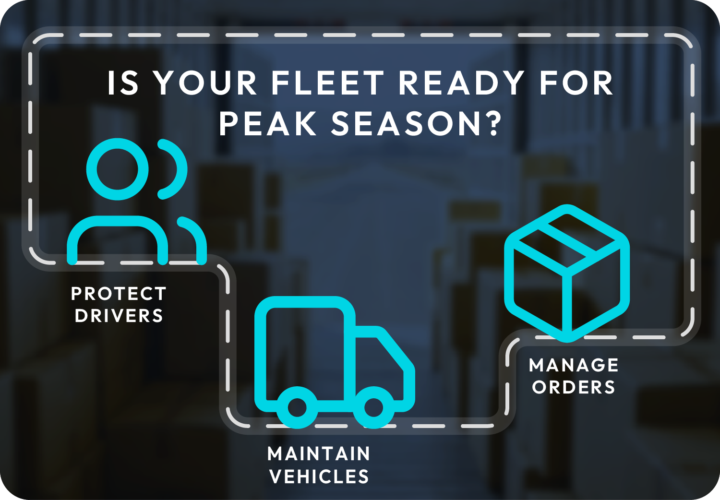
That means looking closely at three key areas: drivers, vehicles and orders.

Drivers
Operators need to understand driver availability, workload, communication and compliance. Are driver schedules realistic? Is there enough flexibility to manage delays? Are drivers getting the information they need before and during the working day?

Vehicles
For vehicles, it means reviewing maintenance schedules, defect reporting, vehicle utilisation and asset availability. Are key vehicles ready for increased demand? Are checks being completed consistently? Are issues being reported and resolved quickly enough?

Orders
When it comes to orders, it means forecasting demand, reviewing delivery windows, assessing route planning processes and making sure teams can track progress in real time. Can planners see where delays are happening? Can customers be updated quickly? Can routes be adjusted when plans change?
The earlier these questions are asked, the easier it becomes to close gaps before peak season begins.
How to prepare your fleet for peak season
Preparing for peak season starts with understanding your current level of readiness.
A practical checklist can help operators review the areas most likely to come under pressure. This should include driver availability, vehicle maintenance, route planning, order visibility, communication and contingency planning.

The aim is not to remove every challenge. Peak season will always bring pressure. The aim is to make sure the operation is prepared enough to manage that pressure effectively.
Technology has an important role to play here. Connected fleet management tools can help operators improve visibility, reduce manual processes and make better decisions throughout the day.
By bringing together information on drivers, vehicles, routes and orders, fleet technology can help teams move from reactive problem-solving to more proactive peak season management.
How route optimisation supports peak season logistics
More deliveries, tighter time windows, road congestion and last-minute changes can all affect the plan. If routes are inefficient, drivers may spend more time on the road, fuel use may increase and delivery schedules can become harder to achieve.
Route optimisation helps operators plan more effectively by making better use of available vehicles, drivers and time. It can help reduce unnecessary mileage, improve delivery sequencing and support more realistic schedules.
During peak season, this matters because every minute counts.
A better planned route can help reduce driver pressure, protect service levels and make the operation more resilient when disruption occurs. It also gives planners a clearer starting point, so they can manage changes with more confidence throughout the day.
Route optimisation is not just about finding the shortest route. It is about creating a plan that works in real operating conditions.
Why fleet visibility matters during periods of high demand
Visibility is one of the most important factors in peak season fleet management.
When demand is high, transport teams need to know what is happening across the operation. They need to see where drivers are, which vehicles are available, how routes are progressing and where delays are starting to appear.
Without that visibility, teams can lose valuable time trying to understand the problem before they can solve it.
Real-time fleet visibility helps operators spot issues earlier and act faster. If a vehicle is delayed, the office can respond. If a delivery window is at risk, the customer can be updated. If a driver needs support, the team has the information needed to help.
This visibility also supports better communication between drivers, planners and customer service teams. Instead of relying on manual updates or disconnected systems, everyone can work from a clearer view of the operation.
During peak season, that clarity can make a real difference.

Turn peak pressure into peak performance
Peak season will always test transport and logistics operations. But with the right preparation, operators can reduce the impact of disruption and build a more resilient fleet.
By focusing on drivers, vehicles and orders, transport teams can identify where pressure is likely to build and take action before demand reaches its highest point.
Supporting drivers, maintaining vehicles and managing orders effectively are not separate challenges. They are connected parts of the same peak season operation. When they work together, fleets are better prepared to accept orders with confidence, improve efficiency and keep drivers supported through the busiest months.
Peak season is coming. The question is whether your fleet is ready.
For more practical guidance and support, check out our Peak Season Toolkit.
FAQs
Peak season in logistics is the busiest period when delivery volumes, customer expectations and operational pressure increase. In UK transport and logistics, this often builds around retail, e-commerce, Black Friday, Christmas and other seasonal demand spikes, putting added strain on drivers, vehicles, routes and order fulfilment.
Logistics teams should start preparing for peak season before demand begins to rise, ideally several weeks or months ahead of the busiest period. Early planning gives operators time to review driver availability, vehicle readiness, maintenance schedules, route plans, customer expectations and contingency processes before pressure builds.
Logistics teams can prepare for peak season by reviewing three core areas: drivers, vehicles and orders. That means checking driver availability and workload, completing vehicle maintenance and defect reviews, forecasting order volumes, assessing route capacity, improving customer communication and making sure teams have visibility of issues as they happen.
Route optimisation helps during peak season by supporting more efficient planning when delivery volumes, traffic levels and time pressures increase. It can help reduce unnecessary mileage, improve vehicle utilisation, create more realistic schedules and give planners better control when routes need to change throughout the day.
Fleet visibility is important during peak periods because transport teams need to know where vehicles, drivers and orders are in real time. Better visibility helps teams spot delays earlier, update customers faster, support drivers more effectively and make informed decisions when plans change during busy delivery periods.
Technology that can help with peak season logistics planning include:


